
Why Counselling




Why Career Counselling
Navigating Change with Confidence
The impact of artificial intelligence, innovation, and globalization means that careers will continue to evolve. Career counselling prepares students to embrace change, develop future skills, and remain resilient in a dynamic world.
Encouraging Informed Choices Rather Than Assumptions
Many decisions are influenced by social expectations or limited information. Career counselling provides objective insights that help students make choices based on their strengths, aspirations, and values.
Developing Experiences Beyond Academics
Success today is built on more than grades. Career counselling encourages students to develop leadership skills, participate in experiential learning, and build portfolios that reflect their individuality and capabilities.
Strengthening Partnerships Between Students and Families
Parents play a critical role in a child’s journey. Career counselling creates opportunities for meaningful conversations and collaborative decision-making that support the student's long-term aspirations.
Preparing Students for a World Yet to Be Created
Many future jobs do not even exist today. Career counselling helps students develop creativity, curiosity, critical thinking, and adaptability skills that will enable them to succeed in careers that continue to evolve with time.

Psychometric Tests


Multiple Intelligences Test
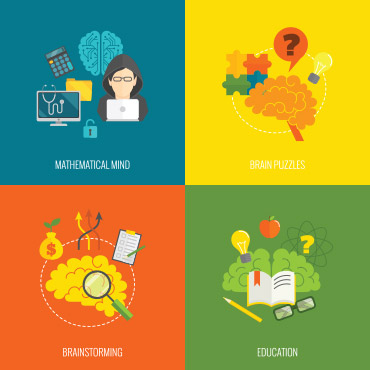
The assessment is based on the Theory of Multiple Intelligences developed by Dr. Howard Gardner in 1983. The theory has been tested under Project SUMIT and found to improve student performance in 78% of the cases. The assessment uses proprietary technology to match your intelligences to your best fit careers.
Ideal Career Test
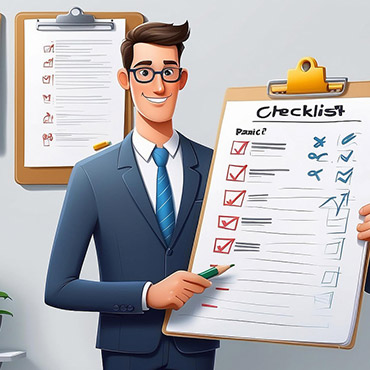
The assessment helps you better understand your strengths and personality. It helps you identify your best fit career. More than 678+ career professionals have worked to design, test and update this career assessment. Thousands of students have been giving this assessment each year. The testing algorithm is constantly updated with emerging careers options.
Personality Type Assessment
This assessment is based on personality type – the innate way people naturally see the world and make decisions a set of basic drives and motivations that remain constant throughout a person’s life. The model of personality type is non-judgmental. There are no types that are better or worse, or healthier or more frail. Each type has its own inherent strengths and potential challenges. Personality type does not predict intelligence; rather it identifies important natural predispositions and tendencies.
Stream Selector Test
The assessment helps you determine which stream to take after 10th class. It is based on the RIASEC theory and determines your verbal, numerical, clerical, spatial and reasoning aptitude. Based on your aptitude and personality, the assessment determines the most suitable stream for you. The aptitude section calculates your strengths and weaknesses to determine abilities required to study the four streams. The interest section helps to determine your feeling of wanting to know or learn about something.
Learning Styles Test
The assessment is based on The Learning Style Questionnaire developed by Rita and Kenneth Dunn. The questionnaire was studied by their colleague Gary E. Price who did a content analysis to discover the consistent factors in the questionnaire. As a result of this analysis the Learning Style assessment was made. The assessment reveals how you prefer to study, concentrate and learn. The assessment analyses your learning preferences for immediate environment, emotionality, sociological needs and physical needs.